

Going beyond the Golden Rule
Summary :
- The Golden Rule, which encourages us to treat others as we would like to be treated, is limited by its mistaken assumption that everyone shares the same wants and needs.
- Introduction of the Platinum Rule: "Treat others as THEY would like to be treated", recognising the diversity and uniqueness of each individual.
- The Platinum Rule encourages self-awareness, curiosity about the needs of others, and the practice of empathy, unlike the Golden Rule which tends to project our own needs onto others.
- Use of the Enneagram to deepen our understanding of our own behaviour and that of others, fostering better communication and empathy.
- The Titanium Rule challenges us by suggesting that treating people exactly as they want to be treated could keep them in their comfort zone, limiting their personal growth.
- The Titanium Rule proposes instead to give people what they need rather than what they want, thereby promoting personal development and growth.
- Embracing human diversity and complexity through an empathetic and compassionate approach, recognising that truly understanding the needs and comfort zones of others is crucial to enriching and mutually beneficial relationships.
The article
When you were a child, chances are you were taught this Golden Rule:
"Treat others as you would like to be treated" - the Golden Rule
The difficulty with the Golden Rule lies in the assumption that we all share the same desires, wishing to be treated according to the same personal preferences … but this is far from reality. In fact, the opposite is true. We are all different and unique. Each of us has different views, motivations and needs.
How could we seriously think that others want to be treated according to our own desires?
The Platinum Rule
The intention of the Golden Rule is laudable, but it promotes the idea that we should project our own needs and desires onto others. This rule fails to recognise the value of self-knowledge, curiosity about the needs of others and the practice of empathy.
For this reason, many have begun to apply the Platinum Rule:
"Treat others as they would like to be treated."
Unlike the Golden Rule, the Platinum Rule takes into account the fact that not everyone wants to be treated in the same way. It says that we should treat people the way they want to be treated, regardless of our personal preferences in similar situations. It shifts the focus of relationships from "this is what I want, so I'll give everyone the same" to "I want to understand what they want first and then I'll give it to them".
Following the Platinum Rule wouldn't require changing your personality, but we do need to know ourselves and others well enough to understand that how we want to be treated or what makes us happy is not necessarily the same for others.
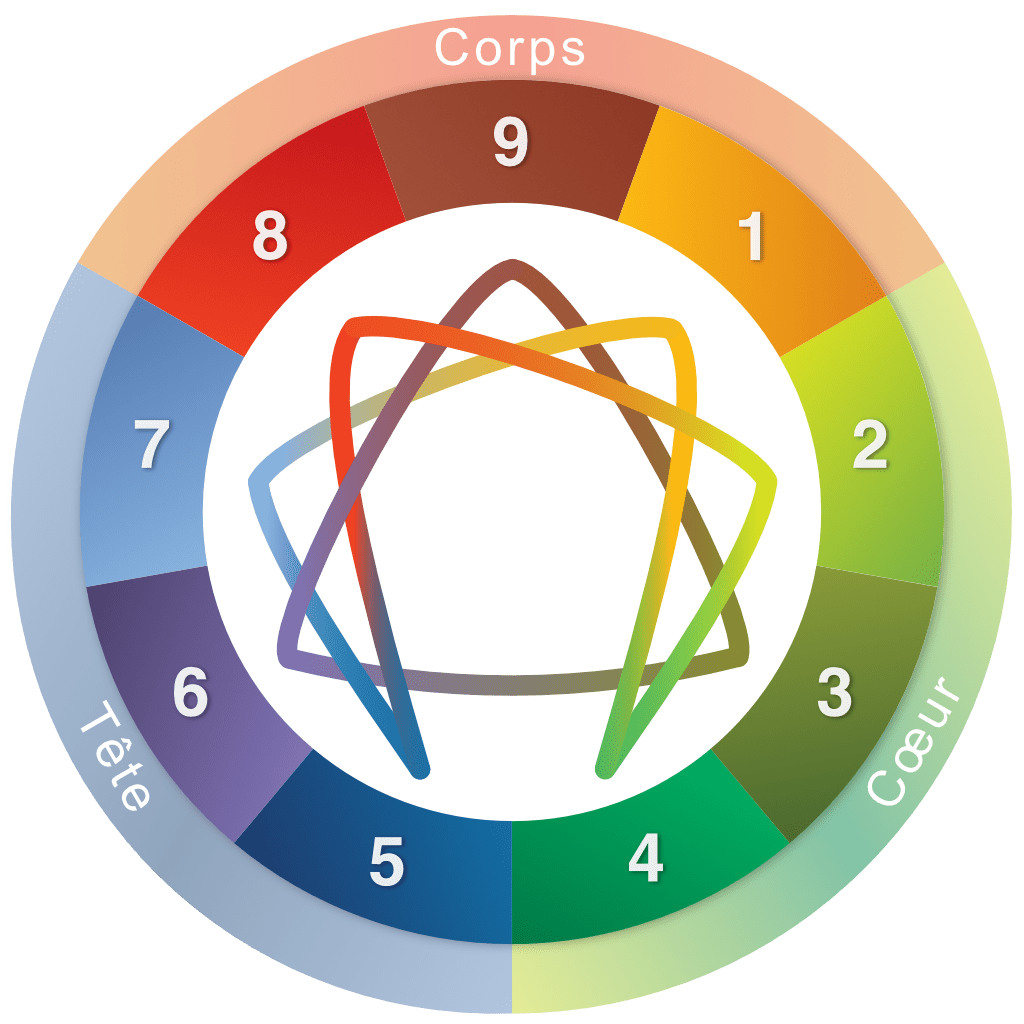
For example, someone with an Enneagram 7 personality profile probably values their freedom and, as a result, would not appreciate you, identified as an Enneagram 1, imposing rules and structure on them simply because it's something that suits you. Similarly, someone identified as an Enneagram 2, and who therefore likes to build relationships and collaborate, would not be impressed if you, identified as an Enneagram 5, asked them to work independently and in isolation from others simply because that's what you prefer to do.

Using the Enneagram to live by the Platinum Rule
So how do we acquire this deeper self-awareness and curiosity, and enable ourselves to practise empathy more effectively? One very powerful way is to turn to the Enneagram. The Enneagram accelerates self-awareness by providing a lens through which to view our deepest behavioural drivers. Rather than categorising people into stereotypes, it recognises and respects the complexity and uniqueness of each person. In so doing, it reveals the patterns that underlie why we act in certain ways.
The Enneagram also inspires compassion and develops empathy by helping us to understand the needs and perspectives of others. Seeing the intentions, challenges and logic of other Enneagram Types makes us less likely to reject, judge or denigrate others, and often leads to improved compassion, empathy, curiosity and communication. It helps people to understand each other, themselves and their place in a team or group more clearly.
Like the Platinum Rule, the Enneagram promotes the idea that each of us is complex and unique. We need to understand our own filters and those of others and apply this knowledge by practising compassion and empathy, treating others as they wish to be treated.
Going beyond the Platinum Rule: The Titanium Rule
"Growth happens at the edge of your comfort zone" Jesse Lyn Stoner
The Golden Rule could be seen as a clumsy attempt at kindness, especially considering that it involves ignoring the needs of others in favour of imposing our preferences on them. The Platinum Rule is a much more empathetic and compassionate moral guideline. The question that arises when exploring the application of the Platinum Rule is: Should we treat people exactly as they want to be treated? By doing so, aren't we allowing others to stay in their comfort zones and stunt their growth?
It is for this very reason that the Titanium Rule suggests that perhaps we shouldn't treat people exactly as they want to be treated, because it may not encourage them to get out of their comfort zones and grow.
The Titanium Rule implies that we can't always give people what they want, but rather we can give them what they need.
We need to remember that while others may have a preferred way of being treated, this represents their desire to stay in a comfortable place, where they feel least challenged or threatened. It doesn't mean that what they want is exactly what they need.
At the same time, we also need to remember that it would be somewhat arrogant of us to determine what other people's comfort zones are and whether something is wanted or needed. We need to be aware not only of ourselves, but also of the effect our behavioural decisions have on others.
Accepting diversity and complexity

Developing compassionate and empathetic relationships with others is a difficult task if we take the time to consider the complexities of human nature.
When we look at others with a tool of understanding like the Enneagram, we realise that the Golden Rule can be more self-centred than caring. We also see that an approach oriented towards others, such as the Platinum Rule, takes better account of our differences.
The Titanium Rule teaches us that, although we are aware of what we want, and can be attuned to what others want, we don't know exactly what others' comfort zones are, let alone what they need.
By understanding these concepts, we can find more effective ways of evolving around the comfort zones of the people around us. In this way we can be sure to help others in helpful, compassionate ways for positive growth.